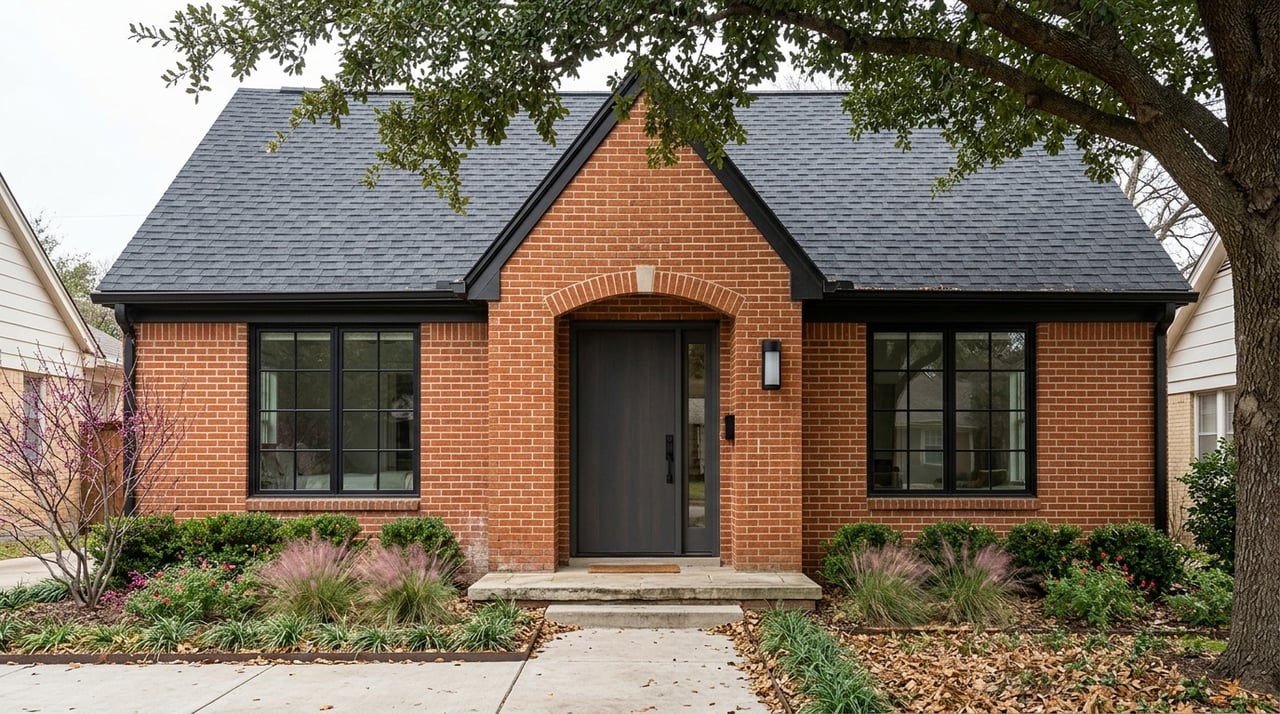
Thinking about buying a fixer in Lakewood or the M Streets? In these East Dallas neighborhoods, the smartest renovation home is not always the one with the lowest price or the flashiest upside. You need a property that fits the neighborhood’s conservation rules, has manageable age-related repairs, and offers updates that can improve day-to-day living without creating avoidable approval issues. If you want to buy with fewer surprises and a clearer plan, this guide will help you focus on what matters most. Let’s dive in.
Why These Neighborhoods Require a Different Approach
Lakewood and the M Streets are both conservation-district neighborhoods, which means renovation decisions are shaped by district rules, not just your budget or design preferences. According to the City of Dallas conservation district overview, those regulations become zoning for the area once adopted.
That matters because a home that seems like an easy remodel on paper may be much more complicated in practice. If visible exterior changes do not align with district standards, your project can become slower, more expensive, or harder to execute.
What Makes Lakewood Different
Lakewood has a broad mix of early 20th-century architecture, and that variety is part of its appeal. City planning materials for the area note that many homes were built from 1925 to 1946, with common styles including Tudor, Spanish Eclectic, French Eclectic, Minimal Traditional, Neo-Classical, and Colonial Revival. Many homes also feature masonry and wood construction, pier-and-beam foundations, and roof materials like tile, slate, or composition shingle.
That mix gives you more stylistic variety to choose from, but it also means each home should be evaluated in context. In Lakewood, the best renovation opportunities often start with homes that still have recognizable original character and street-facing features that can be updated without fighting the district.
Lakewood Tract IV Rules Matter
The city’s Lakewood Tract IV ordinance is especially important if you are evaluating additions, garages, driveway changes, or other street-visible work. The ordinance requires new construction to follow one of five contributing styles and includes specific rules for front facades, driveways, garage placement, and mature front-yard trees. For example, front-street driveways must be 8 to 12 feet wide, attached garages cannot be placed on the front facade, and garage doors must be side- or rear-entry under the district standards in the Lakewood Tract IV ordinance.
If a property already has compliant or easily compliant street-facing features, that can make your renovation path much smoother. If it needs major visible reworking, your costs and timelines may look very different.
What Makes the M Streets Different
The M Streets, also known as Greenland Hills, tend to be more uniform than Lakewood. The neighborhood is known for its concentration of Tudor homes, and the district ordinance states that about 65% of the neighborhood’s structures were Tudor, with Tudor Cottage and Craftsman homes also present in the mix.
Because the neighborhood has a more style-specific identity, exterior changes that affect the home’s public-facing character deserve extra attention. Rooflines, chimneys, windows, and the overall massing of the front elevation can have a major impact on how well a renovation fits the district.
M Streets Curb Appeal Standards
The M Streets district is especially prescriptive about what you see from the street. The city notes that circular driveways are prohibited, only one driveway entry is generally allowed, front-yard paving is capped at 30 percent, and visible fences must use materials such as brick, stone, wood, or wrought iron. Street-visible garages also need to be compatible with the main structure under the district standards described in the M Streets conservation district ordinance.
For you as a buyer, that means the smartest value play is often a home with intact curb appeal and fewer visible alterations to undo. A lower purchase price is not always a bargain if the front-facing design problems are expensive to correct.
How to Spot a Smart Renovation Candidate
In both neighborhoods, the best opportunities usually share a few practical traits. You are not just looking for a house that needs updating. You are looking for a house where the update path is realistic.
A strong candidate often has:
- Original proportions and street-facing character still in place
- A roofline, chimney placement, and window pattern that fit the home’s style
- Driveway and garage conditions that appear compatible with district rules
- Fewer obvious facade changes that may need reworking later
- Interior updates needed more than exterior reconstruction
This approach helps you protect both your budget and your timeline. It also reduces the risk of buying a home that looks promising until you start pricing repairs and approvals.
Start With Moisture and Structure
In older East Dallas housing stock, cosmetic updates should not come first. Moisture management, drainage, and preservation-minded repairs are often the real priorities.
The National Park Service notes that clogged or broken downspouts can saturate foundations, while excess moisture can damage masonry, adjacent wood, and plaster around windows and openings. The guidance also says the first response is often better drainage and ventilation, rather than surface waterproofing, as explained in the NPS guidance on moisture in historic buildings.
What to Watch During Inspections
When you tour homes in Lakewood or the M Streets, pay close attention to the signs that age and water may already be affecting the structure. In many cases, these issues cost more and matter more than dated finishes.
Look closely at:
- Downspouts and drainage patterns around the house
- Foundation movement or moisture near pier-and-beam areas
- Plaster cracking near windows and doors
- Masonry wear or wood deterioration near water-prone areas
- Evidence of long-term ventilation issues
A home with a tired kitchen but good moisture control may be a better investment than a prettier house hiding larger repair needs.
Treat Windows as a Major Budget Line
Windows deserve special attention in these neighborhoods because they affect both cost and compliance. The National Park Service says historic windows should be repaired rather than replaced when possible, and if replacement is necessary, the new windows should match the old design and visual qualities and, where possible, materials. You can see that standard in the NPS window preservation guidance.
For buyers, that means window condition is not a side issue. If original windows are deteriorated, you may be looking at repair-oriented work that requires a more careful approach than a standard replacement package.
Assume Lead-Safe Planning Is Needed
Because so many homes in Lakewood and the M Streets were built well before 1978, lead-safe planning should be part of your renovation budget from the start. The EPA says lead-based paint was used in more than 38 million homes before the 1978 ban, and 87% of homes built before 1940 contain some lead-based paint, according to the agency’s lead resources overview.
If your renovation will disturb painted trim, windows, doors, or older interior surfaces, you need to factor that into both scope and cost. This is one more reason that a “cheap” fixer may not be the best value.
Renovations That Tend to Make Sense
If your goal is to improve a home without overreaching, the most practical updates are often modest and targeted. Dallas 2025 Cost vs. Value data show that smaller exterior improvements and selective interior remodels often outperform larger, more disruptive projects on resale.
According to the 2025 Dallas Cost vs. Value report, garage door replacement recouped 263.3%, steel entry-door replacement recouped 251.9%, manufactured stone veneer recouped 243.4%, minor kitchen remodel recouped 120.4%, fiber-cement siding replacement recouped 113.6%, and vinyl siding replacement recouped 107.7%. Wood-window replacement recouped 68.4%, while a midrange bath remodel came in at 81%.
What That Means in These Neighborhoods
In Lakewood and the M Streets, the best-value version of these projects is usually the one that respects the district context. That often means:
- A style-appropriate entry door
- Garage-door updates only where a conforming garage already exists
- A measured kitchen refresh instead of a full structural overhaul
- Bath updates that improve function without chasing unnecessary square footage
- Window repair and weatherization when possible
- Exterior repairs that preserve original masonry, trim, and rooflines
In short, the smartest renovation is often the one that improves livability and presentation without forcing a style conflict.
How to Buy With Fewer Surprises
Before you write off a home or fall in love with one, it helps to sort renovation candidates into three groups. This can save you time and keep you focused on opportunities that actually fit your goals.
| Home Type | What It Means | Buyer Risk |
|---|---|---|
| Mostly intact exterior, dated interior | Good candidate for practical updates | Lower |
| Mixed prior alterations, unclear compliance | Needs closer review before budgeting | Medium |
| Major visible facade issues or driveway/garage conflicts | May require costly redesign or limited options | Higher |
This kind of filter is useful whether you plan to live in the home long term or improve it with resale in mind. It keeps you focused on fundamentals instead of getting distracted by cosmetic staging or low list prices.
Why Local Guidance Matters
In conservation-district neighborhoods, buying smart means understanding more than layout, finishes, and price per square foot. You also need a clear read on the home’s visible character, likely repair priorities, and how renovation ideas line up with district rules.
That is where neighborhood-level insight can make a real difference. If you want to target homes with better renovation potential in Lakewood or the M Streets, Jeremy Whiteker can help you evaluate the tradeoffs, spot avoidable risk, and build a more practical path from contract to closing.
FAQs
What makes a renovation home smart in Lakewood or the M Streets?
- A smart renovation home usually has intact street-facing character, manageable age-related repairs, and updates that can be made without conflicting with conservation-district rules.
Do Lakewood homes have special renovation restrictions?
- Yes. Lakewood conservation district rules can affect driveways, garages, front facades, visible additions, and style-specific design choices, depending on the tract.
Why are windows such a big issue in the M Streets and Lakewood?
- Windows can affect both project cost and district compatibility, and historic guidance generally favors repair over replacement when possible.
What should you inspect first in an older East Dallas home?
- Moisture, drainage, downspouts, foundation conditions, plaster damage near openings, and signs of long-term water intrusion should be high on your list.
Which renovations tend to offer the best resale value in Dallas?
- Based on 2025 Dallas Cost vs. Value data, smaller exterior upgrades and measured kitchen improvements often show stronger recoup than major overhauls.
Should you assume lead-safe renovation practices are needed in these neighborhoods?
- Yes. Because many homes here were built before 1978, lead-safe planning is a practical starting assumption for projects that disturb painted surfaces.